Cricket
 Motorsport
 Basketball test
 League - Test
 Combat Sports
 Netball
 Football
Setting Up a Pool Table at Home? Here’s What Actually Matters
SENZ • December 12th, 2025 3:49 pm
This content is provided by a third party
Key Highlights
- Why most home pool tables play better when the space feels lived-in, not perfect
- How small layout decisions matter more than professional gear
- The unexpected role a kitchen pendant light can play in getting the atmosphere right
- What changes in your game once the table becomes part of your everyday space
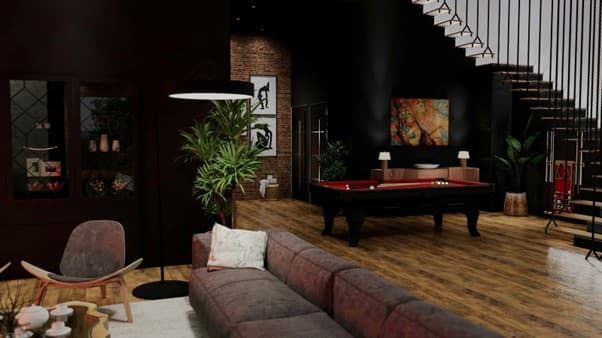
There’s something satisfying about the idea of a pool table in your own space. No waiting for your turn at the pub, no sticky cues, no blaring TVs playing the wrong sport. Just a decent table, a few friends, and enough time to play without rushing the final frame. But what usually gets missed in that dream is the setup. You bring the table in, clear some room, maybe throw a couple of stools nearby, then realise it doesn’t quite feel right. The lighting’s weird. Shots are cramped. Someone’s always stepping into the kitchen mid-turn. It’s easy to forget that playing well isn’t just about the table, it’s about how the space around it works with the game.
The best home setups aren’t necessarily fancy. They just feel good to be in. Enough light to see without glare, enough space to move without angling your cue at the ceiling, and enough atmosphere that you want to hang around for more than one round. That’s what this is about. Not interior design advice or renovation tips, just the things that actually make a difference when you're setting up your own spot to play.
The best home setups aren’t necessarily fancy. They just feel good to be in. Enough light to see without glare, enough space to move without angling your cue at the ceiling, and enough atmosphere that you want to hang around for more than one round. That’s what this is about. Not interior design advice or renovation tips, just the things that actually make a difference when you're setting up your own spot to play.
Get Real About the Space
Most people overestimate how much room they have, or underestimate how much they need. It’s easy to measure the table and forget the extra metre or so you’ll need on each side to actually use a cue properly. The result is a lot of home setups where one corner is tight, the wall gets nicked, or someone has to switch to the short cue just to play a clean shot. It doesn’t ruin the game, but it does shift the rhythm.
Garages tend to be the go-to, mostly because they’re out of the way. But unless they’re insulated, they can feel cold in winter, echoey, or just full of other stuff you need to step around. Spare rooms work better if they’re not too narrow, and open-plan living spaces can be surprisingly good, especially when you’ve got a table near the kitchen or dining area. That might not sound ideal, but being able to grab a drink, chat with someone cooking, or keep an eye on the footy while playing actually suits the way a lot of people use their tables at home.
If you’re working with a tight layout, the best thing you can do is set it up honestly. Leave enough room for clean shots where it counts, shift furniture if you need to, and don’t be afraid to embrace a slightly off-centre table if that’s what fits. A good game doesn’t need perfect symmetry. It just needs room to breathe.
Here’s a quick look at how different rooms stack up when it comes to layout, comfort and playability.
Room Type | Pros | Challenges | Best for |
Garage | Private, out of the way | Cold, echoey, storage clutter | Occasional or late-night games |
Spare Room | Quieter, better light control | Often a tight squeeze | Solo practice or smaller tables |
Open-plan living | Social, easy access to kitchen | Shared space, more distractions | Casual play with guests or housemates |
Covered patio/shed | Airy, good ventilation | Weather-dependent, dust | Summer games, informal setups |
Lighting Can Ruin It or Make It Work
You don’t notice bad lighting until it’s too late. One game in and you’re already leaning into shadows, squinting at angled shots, or getting glare off the glossy cue ball. At home, lighting is usually just whatever’s already there — a ceiling light in the garage, a couple of downlights in the rumpus room, or whatever spills over from the kitchen. And sometimes, that last one’s the best option.
If your table’s in an open-plan space, there’s a good chance a kitchen pendant light ends up doing half the work. Not because it was made for it, but because it hangs low, spreads evenly, and hits the table without too much glare. It’s not designed for precision play, but if you’ve ever played under one, you’ll know it creates a calm, soft atmosphere that makes the game feel smoother. It's not just visibility — it’s the tone of the space.
For setups that aren’t in the kitchen’s reach, think about height and spread. You want the light above head level but not so high it casts long shadows. Warm light works better than stark white — it’s easier on the eyes and makes colours pop just enough without being harsh. And whatever you do, avoid lights that sit directly behind the player’s line of sight. If you’ve got one above the fridge or behind the bar that glares off the felt, it’ll break your focus every time.
Sound, Atmosphere, and Vibe
Once the basics are in place, what makes a game stick isn’t the table — it’s the feeling of the room. A good space has its own pace. You don’t notice it straight away, but the way sound carries, the warmth of the air, the background noise — it all shapes how long people stay and how often they come back for another round.
Too much echo, and the clack of the balls starts to feel sharp. Too quiet, and every missed shot lands with a bit too much weight. Most home setups work better when there’s something in the background — a radio, a playlist, maybe just the buzz of conversation from the kitchen. If the table’s near a living area, that shared noise makes the space feel lived-in, not staged.
Soft furnishings help more than you’d think. A rug underfoot, a curtain pulled across a back window, a couch close by — they absorb just enough sound to stop things from bouncing around. And don’t underestimate the power of smell. If someone’s cooking nearby or there’s fresh air drifting in from the back door, it changes the whole mood. The table becomes part of the house, not just a side feature. That’s when games last longer — when it feels like a place to hang out, not just play.
The Gear You Actually Need
It’s easy to go overboard when you first bring a table home. Extra cues, wall mounts, fancy chalk holders, scoreboards no one ever uses. But most of it ends up pushed to the side after the first few weeks. What actually gets used is a lot simpler — and more about convenience than style.
You’ll want at least two full-length cues that feel good in the hand. Not necessarily expensive ones, just straight and balanced. A triangle that doesn’t warp, chalk that doesn’t crumble, and a ball set that hasn’t been chipped to death by the time it gets to your place. But just as important are the non-playing bits: somewhere to lean a cue without it sliding onto the floor. A side table for drinks. A stool or two for people waiting their turn. That kind of stuff gets used every game, even if no one mentions it.
What surprises people is how often the space itself makes up for missing gear. A low windowsill becomes a resting spot for cues. Someone uses the back of a chair as a makeshift stand. That’s not a flaw — that’s the room doing its job. The smoother the flow of movement around the table, the better the game feels. People know where to stand, where to put things, where to look when it’s their shot. You don’t need a professional setup. You just need a space that works without thinking.
Play Changes When It’s Your Table
You start to notice things after a few weeks. The way your break naturally shifts toward one side. How the table plays slower in the mornings. The way the afternoon light hits the edge pocket just enough to throw you off if you’re not paying attention. These aren’t distractions — they’re the rhythms that come with playing in a space that’s yours.
You don’t rush shots as much. You experiment more. You try the weird angles just to see if they’ll land. And when mates come over, there’s a quiet satisfaction in knowing the table’s familiar to you. Not in a showy way — just in the way it fits the room, and the way the room fits around the game.
There’s no pub noise. No time pressure. Just the sound of the balls, the occasional laugh, and maybe the clink of a glass nearby. That’s what home pool is about. Not just owning a table, but giving it a place in your life where it actually gets used.