Cricket
 Motorsport
 Basketball test
 League - Test
 Combat Sports
 Netball
 Football
How Soft Tissue Injuries Are Being Managed Differently in Melbourne’s Sports Circles
SENZ • March 25th, 2026 5:51 pm
This content is provided by a third party
In elite and amateur sports circles, a quiet shift is underway. Players are still getting injured, but the way those injuries are managed is evolving fast. Where rest, ice, and stretching were once considered default responses to soft tissue strains, athletes are now pushing for faster, smarter recovery strategies that go beyond short-term fixes. The demand isn’t just for pain relief, it’s for treatment that protects performance, reduces reinjury risk, and fits into real-life training environments.
From the footy fields of the outer suburbs to the strength gyms in the CBD, are noticing the same trend: athletes don’t want one-size-fits-all rehab anymore. They want someone who understands not just the injury, but the context of how it happened, what the body was doing under load, and how it can return stronger. And that’s where modern physiotherapeutic care is starting to fill a crucial gap.
According to Melbourne-based osteopath Heath Williams, the shift in soft tissue injury management reflects a growing gap between standard rehabilitation protocols and what athletes actually need in practice.
“We’re seeing a lot more athletes — recreational and competitive — coming in after traditional rehab plans have stalled. They’re still sore, they’re compensating, or they’re just not confident getting back to movement. It’s not that the treatment was wrong, but it often didn’t match what their body actually needed.”
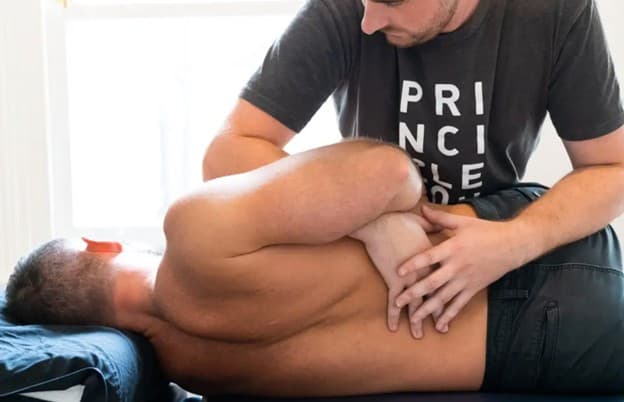
This shift isn’t coming from theory — it’s being driven by what’s happening on the ground. Clubs are increasingly pulling in allied health practitioners who understand not only tissue healing, but workload progression and real-world biomechanics. Manual therapy is still in the mix, but it’s no longer the hero. It’s one piece of a broader model built around function, load, and how bodies actually behave under stress.
And in Melbourne, where both elite and community-level sport is deeply embedded in culture, that model is evolving fast.
More athletes are rejecting ‘wait and see’ plans
There was a time when most soft tissue injuries were met with the same advice: rest for a few weeks, apply ice, stretch gently, and wait it out. But that approach is falling out of favour in Melbourne’s sports communities — not just among elite athletes, but weekend footballers, CrossFit regulars, and long-distance runners alike. They’re no longer content to sit out training while symptoms linger and confidence fades. Instead, they’re asking smarter questions: What’s actually healing? What’s compensating? And how can I get back to movement without setting myself up for the same injury?
It’s not impatience. It’s a realisation that the old model often left athletes stuck in limbo — pain subsides, but performance doesn’t return. Injuries that were labelled “minor” would become chronic. And for athletes who train year-round, downtime isn’t a break — it’s a risk to rhythm, strength, and mental momentum. So they’re looking elsewhere. Not necessarily for faster recovery, but for more targeted, accountable recovery.
That early intervention doesn’t always mean heavy treatment. Sometimes it’s a structural check-in. Other times, it’s manual therapy to reduce protective spasm or release overloaded fascial lines. The key is that athletes now want a plan — one that’s specific, adaptable and rooted in what they actually do with their bodies. And increasingly, they’re turning to physiotherapists who understand that their goals aren’t just about pain relief — they’re about staying in the game.
The focus is shifting from fixing tissue to fixing load
One of the biggest shifts in soft tissue injury management is where the focus lies. It’s no longer just about the site of pain or the tear itself. It’s about what led to it — and what’s likely to happen if the athlete returns without addressing those underlying load issues.
That includes joint control, muscular sequencing, fatigue response, even foot and hip mechanics. Practitioners are zooming out from the injury and looking at the entire movement pattern. In many cases, the injured tissue is just where the compensation showed up — not the root of the dysfunction.
Williams explains it this way: “We might treat a hamstring, but the real work is in finding out why it was over-recruiting in the first place. Was the glute firing? Was the trunk stable under load? That’s the stuff that actually prevents re-injury.”
This approach isn’t about replacing manual therapy. It’s about embedding it into a broader recovery plan that also includes movement retraining, graded exposure to sport-specific tasks, and active load management. The treatment room is still important — but it’s now just one stop in a much wider recovery framework.
Physiopaths are being used differently
This shift has also changed the role of physio in Melbourne’s sports circles. Where physio was once seen as a niche or last-resort option, it’s now a central part of many athletes’ performance and rehab strategies. What’s changed isn’t just perception — it’s how practitioners themselves are working.
Rather than relying solely on passive techniques, many are incorporating clinical movement screens, functional assessments, and direct collaboration with coaches or strength staff. That might mean reviewing footage of an athlete’s sprint mechanics, watching them squat under load, or adjusting rehab plans based on real-time feedback from the training floor.
Williams says this broader role suits the type of injuries they’re seeing. “It’s not always about fixing something broken. It’s about improving how the system moves under pressure. That could mean adjusting the athlete’s pelvic control during change of direction, or helping them breathe more effectively under load — things that don’t show up on scans but make all the difference in performance.”
This kind of treatment is more proactive, and it relies on a strong understanding of both the body’s mechanical demands and the individual athlete’s environment. It’s a shift away from treating the symptoms, and toward improving the conditions that created the injury in the first place.
Why this matters for everyday athletes too
What’s striking is how far this model has filtered into amateur and recreational sports. You don’t have to be elite to benefit from it — and you don’t have to be broken to get started. Melbourne’s physio clinics, especially in the CBD, are seeing more everyday athletes who want recovery that actually considers their sport, their body, and their schedule.
That might be a desk-bound triathlete dealing with hip tightness after long rides. It might be a CrossFitter nursing a shoulder strain but unwilling to take three weeks off overhead work. These are athletes who train seriously, even if they’re not paid to do it — and they’re after practitioners who meet them at that level.
They want real explanations, clear plans, and treatment that respects what they’re trying to achieve. Manual therapy is part of it, but so is load programming, joint education, and helping the athlete understand what “ready” actually looks like. The days of vague timelines and generalised stretches are getting phased out. Athletes want systems that work — and they want them delivered by people who understand the full picture.
Where it’s heading next
What’s emerging is a more collaborative, athlete-driven recovery culture. One where practitioners are educators, movement coaches and therapists in one. In Melbourne’s sports scene, that model is already gaining traction — not just among the elite, but in gyms, clubs and clinics across the city.
The overlap between occupational and sports physiopathy is getting more relevant too, especially for athletes whose injuries are influenced by their work lives. Desk jobs, shift work, and stress-related tension are all part of the load picture now. It’s not just about how you train — it’s how you live outside of it.